

The Sounds of Singapore: How Everyday Environments Shape a Child's Speech


This National Day, Singapore turns 61. It's the kind of milestone that makes you pause and look back, at how much has changed, and at how much has quietly stayed the same. The hawker centre orders shouted in three languages. The MRT chime before the doors close. Kids on playgrounds switching between English and Mandarin mid-sentence without even noticing. It's sound we've grown up inside of, so familiar we barely hear it anymore.
The short answer: these everyday Singapore sounds aren't just background noise, they're a genuinely rich language environment. A child who hears Malay at the void deck, Mandarin at the hawker centre, and English on the MRT isn't confused, they're absorbing rhythm, vocabulary, and the social rules of language from every direction. The key isn't limiting that exposure, it's staying attentive to how your own child is using it.
Why Does Singapore's Soundscape Matter for Language Development?

Children learn language by hearing it used, again and again, in real situations with real meaning attached. A hawker uncle calling out a queue number, an MRT announcement naming the next stop, a grandmother scolding gently in Hokkien, each one teaches a child something about tone, pattern, and how language actually works in the world, far more than a flashcard ever could.
This is one of the quiet advantages of growing up here. Singapore's density and multilingual mix means a child is rarely in a quiet room. They're surrounded by language in motion, all day, everywhere they go.
Does Growing Up Multilingual Confuse a Child's Speech?
No, and this is worth saying clearly, because it's one of the most common worries we hear from parents. A child who mixes languages mid-sentence isn't behind, they're doing something linguists call code-switching, a completely normal part of growing up bilingual or multilingual. It usually settles naturally as a child matures and learns which language to use with which person.
What's worth watching isn't the mixing itself, it's whether your child is building vocabulary and forming sentences in any of their languages, at a pace that matches their age. That's the real marker, not which language they reach for first.
What Can Parents Actually Do With This?
You don't need to create special language lessons. Singapore already gives you the material.
At the hawker centre, narrate what's happening. "The uncle is frying the noodles. Can you smell that?" Everyday narration builds vocabulary naturally.
On the MRT, let your child listen to and repeat the station announcements. It's rhythm, repetition, and new words, all in one ride.
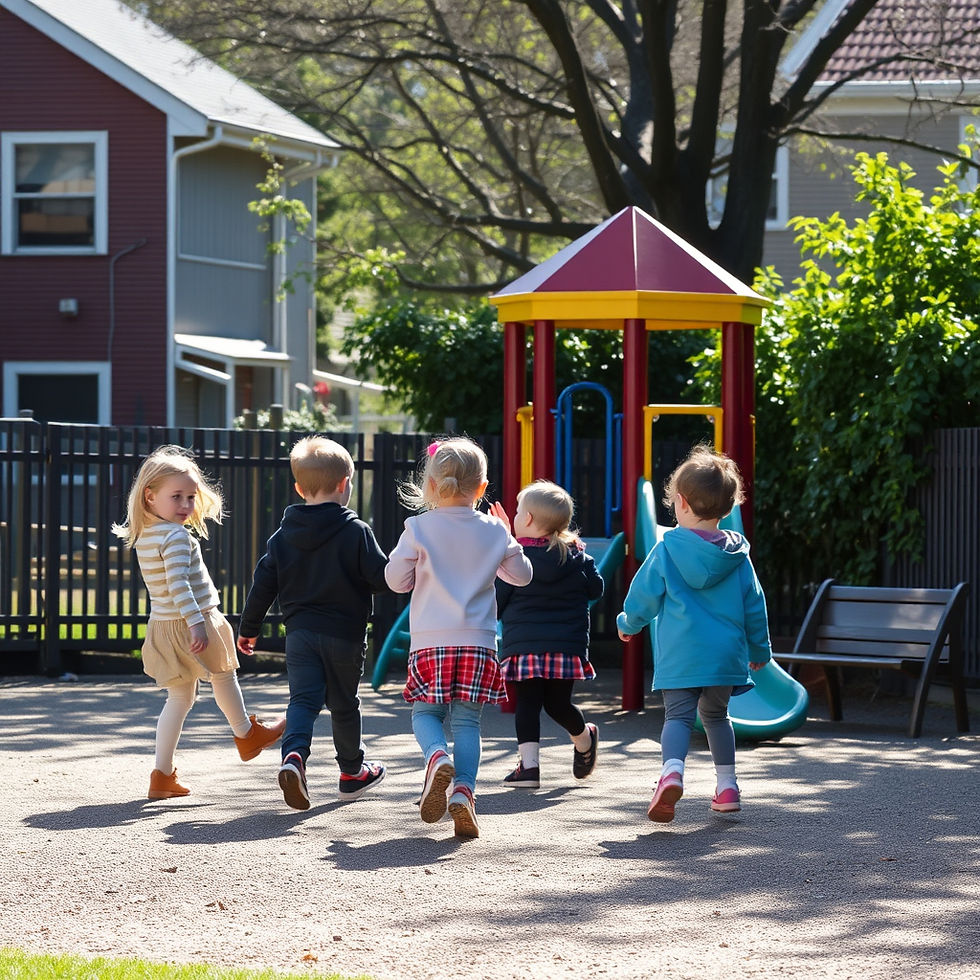
At the playground, step back and let your child navigate conversations with other children themselves, even across language differences. Peer language is some of the richest practice a child gets.
At home, don't worry about "picking one language." Speak to your child in whichever language feels most natural to you. Comfort and consistency matter more than choosing the "correct" one.
Looking Back to Look Forward
Sixty one years ago, Singapore was a nation figuring out how its many languages and communities would build something together. In a small way, every multilingual child growing up here today is doing something similar, learning to move between languages, between communities, between ways of speaking, often before they've even started school.
That's not something to worry about. It's something worth noticing, and celebrating, especially this week.
When Should I Actually Check In With Someone?
Most multilingual children develop exactly as expected, absorbing every
thing happening around them. But if your child seems behind in every language they're exposed to, not just mixing between them, or if they're not combining words into short phrases by the age most children do, that's worth a proper conversation, not a guess made based on how many languages are in the mix.
This National Day, take a moment to really listen, to the hawker centre, the platform announcement, your child's own chatter at the playground. If something about what you're hearing gives you pause, our speech and language therapists are here for an honest conversation, no matter how many languages your child is growing up in.
Call us: +65 9115 8895
WhatsApp us: wa.me/+6591158895
Visit us: totalcommunication.com.sg
FAQ
Does speaking multiple languages at home delay a child's speech?
No, research consistently shows multilingual children develop language on a similar timeline to monolingual children. Mixing languages mid-sentence is normal, not a sign of delay.
How many languages can a young child in Singapore realistically learn at once?
Many Singaporean children grow up hearing two, three, even four languages. What matters most is consistent, meaningful exposure, not the number of languages itself.
Should I stick to one language at home to avoid confusing my child?
Not necessary. Speak in whichever language feels most natural and comfortable, consistency and warmth matter more than which language you choose.
What if my child seems behind in every language, not just mixing between them?
That's the pattern worth having assessed, a genuine delay affects all of a child's languages, not just how they switch between them.


Comments